Sat · June 13 · 2026 1:00 — 5:00 PM Chappaqua Community Center

Chappaqua Youth Mental Health Hackathon

Teen minds, teen solutions.

A 4-hour design sprint where high-schoolers turn ideas into real initiatives for youth mental health — judged by community leaders, mental health professionals, and social innovation experts.

4hr
Build window
3–5
TEAM MEMBERS
$+
Cash prizes
1
Pitch to judges
Built by teens for teens Mental Health Awareness Month awareness → action 2 hours, 1 idea, real impact

Hack for Health.

1 in 5 youth face mental health challenges, but together, we can change that. Join our Youth Mental Health Innovation Hackathon to design bold, creative solutions that support teen wellness and wellbeing. Lots of mental health programs are designed for teens — this one is designed by them. Form a team, build your idea, and pitch your vision to our panel of expert judges.

The biggest issues in our community
01

Stigma & help-seeking

Many teens who are struggling don't reach out because they fear judgment — from peers, parents, and their community.

02

Peer support & connection

Teens are often the first to notice when a friend is struggling, but don't know how to help or where to point them.

03

Awareness & education

Parents, teachers, and community members often miss the early warning signs of mental health struggles in the young people around them.

04

Access to local resources

Many teens in our community don't know what mental health support is available locally, or how to take that first step toward getting it.

Five pieces every pitch needs.

Your team picks any angle on teen mental health — anxiety, sleep, social media, loneliness, transitions, anything. By 3 PM, your pitch deck has to answer all five of these clearly enough that a judge could fund it.

01

The problem

Be specific. "Stress" is too broad — "Sunday-night dread before a packed AP week" is a problem.

02

The audience

Who exactly is this for? Freshmen? Athletes? Students new to the district?

03

The solution

What's the actual thing — a club, an app, a workshop, a peer program, a campaign?

04

The plan

Steps and timeline. What happens week one? Month one? Who runs it?

05

The metric

How will you know it worked? One clean, measurable outcome beats five fuzzy ones.

PDF

Judging rubric

Exactly how the judges will score your pitch. Read it before you start building.

Open rubric

Hackathon Schedule.

1:00

Welcome & introductions

Doors open at the Chappaqua Community Center. Quick welcome, meet the judges, and walk through the rubric your team will be scored against.

1:00 – 1:20 PM
1:20

Team ideation & pitch development

The main event. Two hours of heads-down work — scope a problem, design a response, build out the pitch. Mentors circulate to unstick teams.

1:20 – 3:20 PM · 2 hrs
3:20

Pitch presentations (judging period)

Every team gets the floor. Bring whatever helps you tell it — slides, sketches, a rough demo. Judges ask questions and score in real time.

3:20 – 4:30 PM
4:30

Award ceremony

Top three teams announced and prizes presented to the winning teams.

4:30 – 5:00 PM

Real prizes for real ideas.

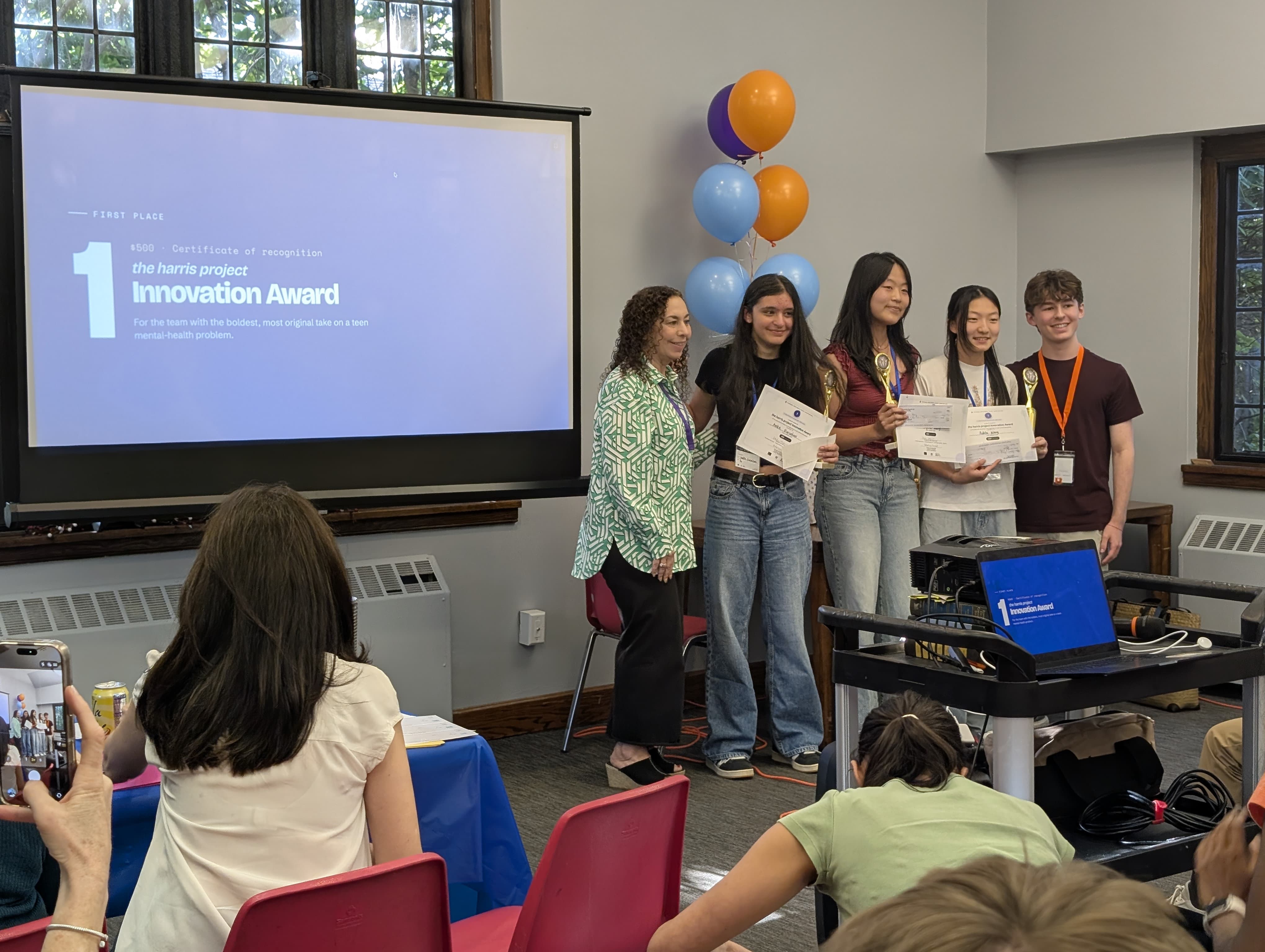
1
Student Awards · 1st Place

Innovation Award

For the team with the boldest, most original take on a teen mental-health problem.

Top cash prize
Certificate of recognition
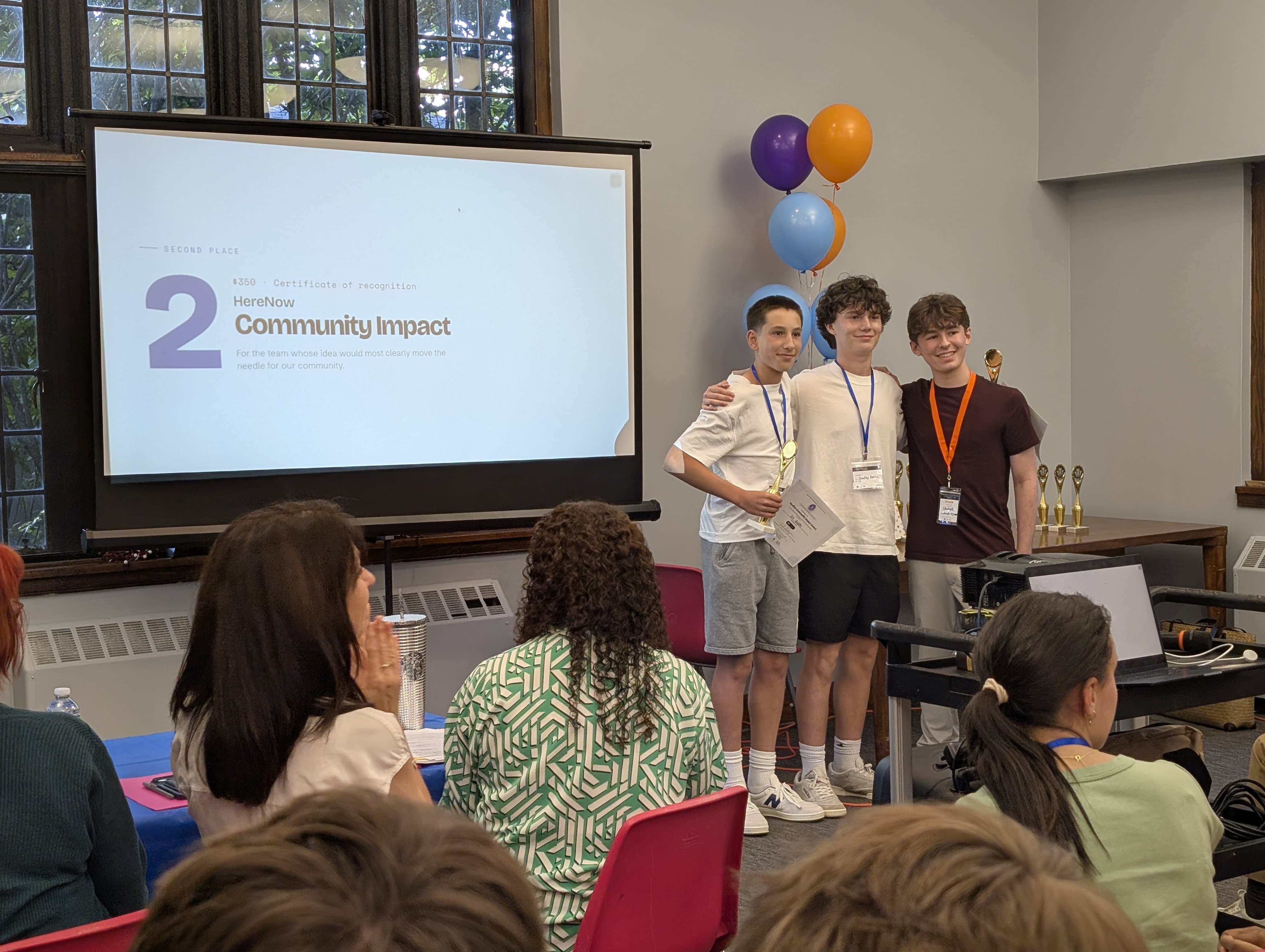
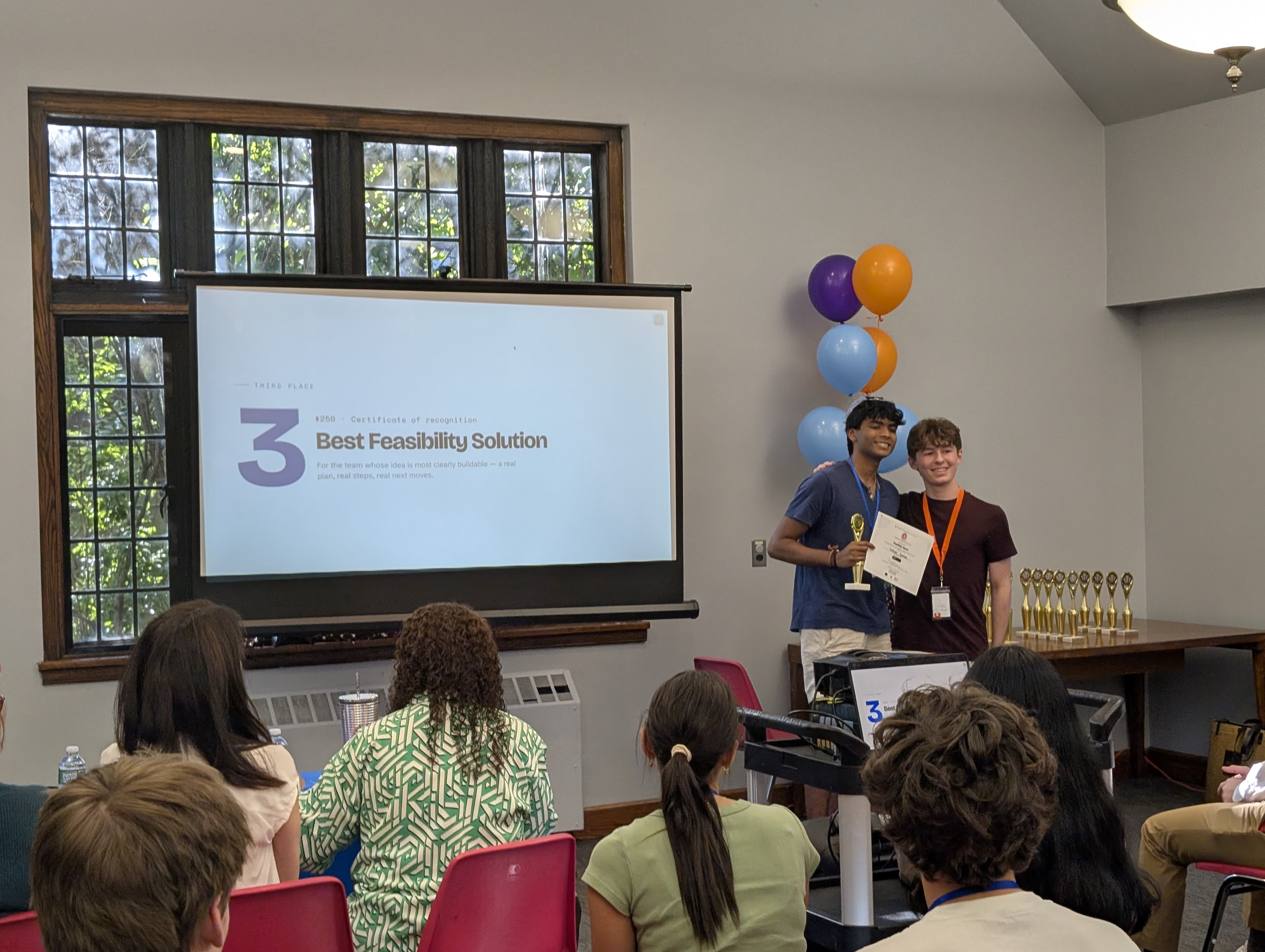
2
Student Awards · Feasibility Award

Best Feasibility Solution

For the team whose idea is most clearly buildable — a real plan, real steps, real next moves.

Cash prize
Certificate of recognition
3
Student Awards · Community Impact Award

Greatest Potential for Community Impact

For the team whose idea would most clearly move the needle for our community.

Cash prize
Certificate of recognition

Pitching to people who can actually help.

Three judges from the worlds of clinical psychology, mental-health advocacy, and social innovation will hear every team's pitch and help shape what gets built next.

Jen Naparstek Klein
Jen Naparstek Klein, Psy.D.
Clinical Psychologist

Adolescent and family mental health specialist. Clinical Director at the Counseling Center in Bronxville, NY. New Castle Board Liaison to the New Castle Mental Resilience Committee.

Stephanie Marquesano
Stephanie Marquesano, JD
Founder & President, The Harris Project

Leads The Harris Project, a national non-profit focused on raising awareness for co-occurring mental health and substance use disorders.

Sara Wheeler Smith
Sara Wheeler Smith, PhD
Management Faculty, Gabelli School of Business — Fordham University

Independent management consultant whose work spans creativity development and social innovation.

Proudly supported by
The Harris Project

Providing monetary awards and certificates for participating students.

Shahak Livne-Tarandach
Founder · Junior at Horace Greeley HS

Hi, I'm Shahak.

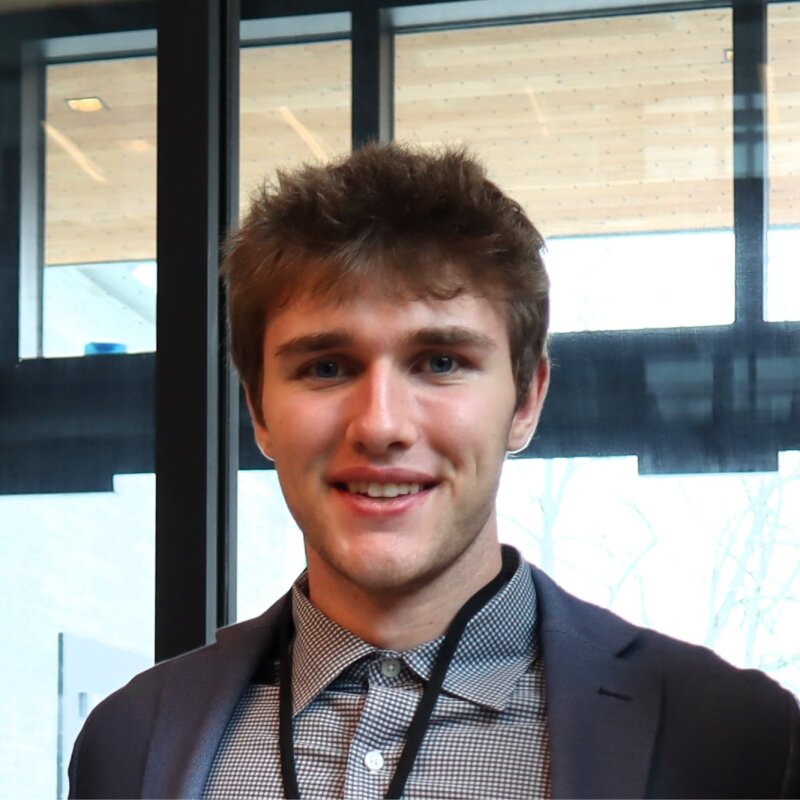
I'm a junior at Horace Greeley High School and an award-winning student researcher at the Karkhanis Lab, where I conduct translational neuroscience research on how adolescent social isolation drives substance use disorder in rodent models. I'm also Vice President of Greeley DECA, where I co-developed Havenlock, an internationally recognized AI solution for Alzheimer's patients. I serve as an ambassador for The Harris Project, and a board member on the HereNow Teen Mental Health Advisory Board advocating for awareness around co-occurring mental health and substance use disorders — and I started this hackathon to put that mission in the hands of fellow teens.

Things people ask.

Can't find what you're looking for? Ping a SADD or DECA officer — we'll get you sorted.

Not at all. The whole point is that you live the experience of being a teen here. Designers, coders, athletes, artists, club kids, quiet kids — all welcome.

A laptop if you have one, something to write with, and an open mind. Snacks are on us.

Whatever helps you tell the story in 5 minutes — slides, a poster, a sketched-out flow. Judges care about clarity, not polish.

Two hours of heads-down build time, from 1:20 to 3:20 PM. That's not a limitation — it's the design. A short, hard deadline forces teams to cut the fluff, lock in on the real problem, and ship something they can actually pitch. You'll be surprised how much sharper your idea gets when the clock is running.

Open to all high-schoolers — any grade, any district. Register as a group of 3–5.